Skip Permits and Disposal Rules in Barnet (Mill Hill)
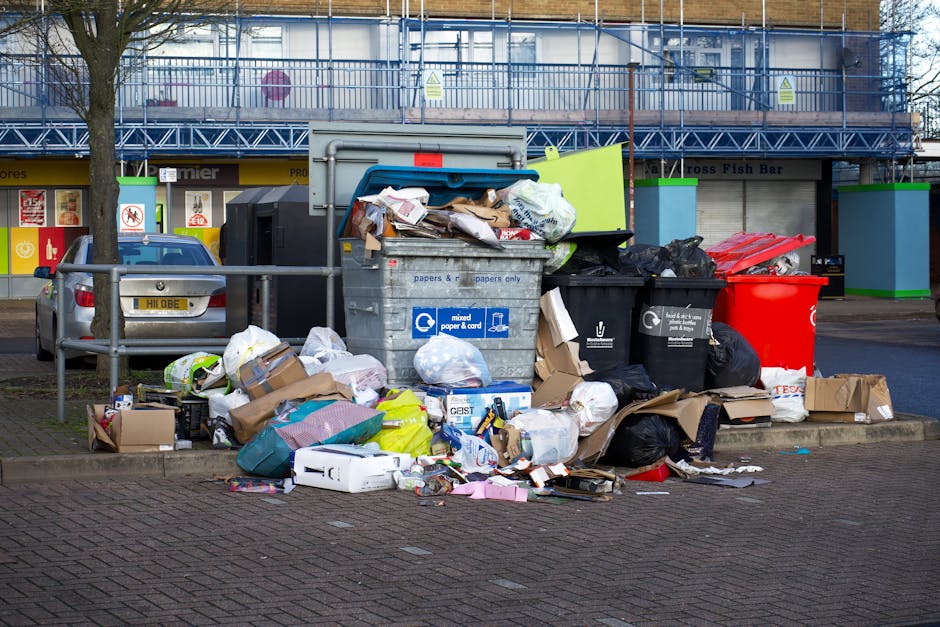
If you are planning a clear-out, renovation, move, or office tidy-up in Mill Hill, the last thing you want is a skip sitting on the road without the right paperwork. Skip Permits and Disposal Rules in Barnet (Mill Hill) can feel a bit fiddly at first, but once you understand the basics, the whole job gets a lot easier. You avoid fines, reduce delays, and make sure waste is handled properly from the start.
In practice, most problems happen when people assume a skip can be dropped anywhere, or when they mix approved waste with restricted items. That is where a little planning saves a lot of hassle. This guide walks through what the rules usually mean in real life, how permits work, where disposal mistakes happen, and what to check before you book a skip or arrange removal support. It is all written for ordinary people, not council officers. Thank goodness for that.
Why Skip Permits and Disposal Rules in Barnet (Mill Hill) Matters
A skip is convenient, but it is not just a metal box you leave on the nearest patch of road. If it sits on a public highway, even temporarily, there are usually permit and placement rules to think about. In Barnet and around Mill Hill, that matters because streets can be busy, parking is tight, and access for pedestrians, cyclists, bin collections, and emergency vehicles has to stay clear.
Most people only think about the skip itself. Fair enough. But the bigger issue is how waste moves through the chain: what you put in, where it goes, and who is responsible for it. If a load is contaminated, overfilled, or dumped in the wrong place, the cost and trouble quickly rise. A small shortcut can become a proper headache.
There is also a trust element. Good disposal habits show that the waste is being managed responsibly, whether you are clearing a house, relocating a business, or disposing of bulky furniture. That is especially useful if you are trying to keep a move tidy and on schedule. Services like home moves and man and van support often work best when waste and removals are planned together, not treated as two separate scrambles at the end.
To be fair, most people do not need to become experts in waste law. You just need enough clarity to avoid mistakes and choose the right route for your project. That is what this article is for.
How Skip Permits and Disposal Rules in Barnet (Mill Hill) Works
The basic idea is straightforward. If a skip is placed on private land, such as a driveway or forecourt, permission may be simpler because you are dealing with the property owner's space. If it goes on a public road, you usually need to make sure the correct permit or consent is in place before delivery. The exact process can vary depending on location, street conditions, and local authority requirements.
Disposal rules are the second half of the picture. A skip is not a free-for-all. Waste types matter. General household rubbish, renovation debris, old furniture, soil, wood, and packaging often go into a skip, but certain items need separate handling. Think along the lines of hazardous materials, chemicals, electrical waste, fridges, tyres, gas bottles, plasterboard in some cases, and anything that could create safety or pollution issues.
In real life, this usually means three decisions:
- Where will the skip sit?
- What waste will go in it?
- Who is responsible for transport and disposal?
If you are arranging removal work alongside the clearance, it can help to compare the size of the job with the vehicle or labour available. A removal truck hire option may suit larger loads, while a smaller task may be better matched to man with van support. For heavier or more awkward items, a focused service such as furniture pick up can sometimes be a cleaner solution than hiring a skip at all.
One thing people often miss: disposal rules are not only about legality, they also affect efficiency. If you separate waste properly, the whole job is calmer. You hear less banging, you move less rubbish twice, and the site stays more usable. Simple, but true.
Key Benefits and Practical Advantages
Getting skip permits and disposal planning right brings more than compliance. It helps the whole project run better. You spend less time dealing with problems and more time getting the actual work done.
- Fewer delays: no last-minute surprise when a skip cannot be placed where you hoped.
- Lower risk of fines or removal issues: especially when a skip ends up obstructing traffic or footways.
- Cleaner site management: waste stays contained instead of spreading across a room, garden, or loading area.
- Better sorting: recyclable and non-recyclable materials can be separated more cleanly.
- Safer working conditions: fewer trip hazards and less chaotic handling of sharp or heavy waste.
- More predictable costs: fewer penalties, fewer repeat trips, fewer emergency changes.
There is also a practical comfort benefit. You know where the rubbish is going, who is taking it, and what is allowed. That matters more than people think, especially when moving house or emptying a property after years of accumulated stuff. We have all seen a garage that somehow swallowed three broken lawnmowers and a Christmas tree from 2019. No judgement.
For larger projects, combining planning with professional support can save even more time. If the waste forms part of an office relocation or commercial clearance, options like commercial moves and office relocation services can help keep disposal and transport aligned, rather than running two separate schedules that keep stepping on each other.
Who This Is For and When It Makes Sense
This topic is relevant to a lot of people, not just builders or landlords. If you are in Mill Hill and you are about to create more waste than your regular bins can sensibly handle, this is for you.
- Homeowners clearing out lofts, sheds, gardens, or doing renovation work.
- Tenants preparing for end-of-tenancy clearance or a move.
- Landlords and letting agents dealing with abandoned items or post-tenancy rubbish.
- Tradespeople needing a legal, tidy way to remove construction waste.
- Business owners clearing offices, stock rooms, or equipment.
- Families managing a house clearance after downsizing or bereavement.
It also makes sense if you are not sure whether a skip is actually the best option. Sometimes it is. Sometimes it is overkill. If you only have a few bulky pieces, a smaller collection service may feel much more sensible. If you are moving a full property, a broader service package might work better. That is why people often start by looking at house removalists or home moves when waste is only one part of the picture.
A useful rule of thumb: if the waste will be generated over several days, or if it needs to be stored on-site while work happens, a skip can be useful. If the waste is already sorted and ready to go, point-to-point removal is often quicker.
Step-by-Step Guidance
Here is a practical way to approach the whole thing without overcomplicating it.
- List the waste types. Write down what you expect to throw away: furniture, wood, cardboard, plaster, garden waste, old appliances, or mixed general rubbish.
- Check whether anything is restricted. If you spot paint tins, solvents, batteries, electronics, tyres, or similar items, set them aside for separate handling.
- Decide where the skip or vehicle will go. Private drive, yard, or road placement changes what permissions may be needed.
- Estimate volume honestly. People often underestimate. A few bulky items can fill space faster than a stack of bin bags.
- Choose the right collection method. Skip, man and van, removal truck, or a mixed service depending on the job.
- Arrange the timing. Make sure waste collection does not clash with access needs, deliveries, or builders.
- Load safely and sensibly. Put heavy items low, keep walkways clear, and do not overfill.
- Keep records where needed. For business waste especially, keep paperwork or confirmation of lawful disposal.
If your project is domestic and you need help moving items before disposal, a flexible option like man and van can be a handy middle ground. If packing and separating items is part of the job, packing and unpacking services can reduce the odds of throwing away something useful by mistake. It happens. More often than people admit.
One small but important tip: photograph the waste area before and after. It helps you track what was removed, and it can be useful if you need to explain the job to a landlord, contractor, or client later.
Expert Tips for Better Results
The smoother waste jobs are usually the ones that were planned early. Not glamorous, I know, but true.
- Separate waste at source. Keep clean cardboard apart from mixed rubbish if you can.
- Protect access routes. If you are using a skip or carrying furniture, make sure hallways and steps are clear.
- Think about weight, not just volume. Soil, rubble, and wet waste can become very heavy very quickly.
- Ask about prohibited items before booking. A five-minute question can save a whole day of trouble.
- Schedule around your neighbours. In a place like Mill Hill, street access and parking can be tight. A careful delivery time really helps.
- Use the right vehicle size. A van might be perfect for a small clear-out, while a larger load may justify a truck.
If your waste sits alongside a move, it can be worth bundling the work together. For example, a family clearing a spare room before moving might use home moves support, then add a separate removal vehicle for heavy leftovers. That kind of planning often feels less stressful than making five frantic decisions on moving day.
And yes, there is a bit of judgement involved. A smart waste plan is rarely the cheapest on paper, but it is often the best value in practice.
Common Mistakes to Avoid
Most skip and disposal problems are avoidable. Here are the ones that show up most often.
- Assuming road placement is automatic. It usually is not.
- Mixing prohibited items with normal waste. This can create safety and disposal issues.
- Overfilling the skip. Loads that rise above the top edge can be unsafe and may not be collected.
- Booking too late. Permits, access windows, and vehicle availability all take time.
- Ignoring access issues. A narrow street, low tree, or parked cars can turn a simple drop-off into a slow manoeuvre.
- Forgetting business waste duties. Commercial waste should be handled with more care than a casual home clear-out.
Another common one: people clear a property but fail to decide what is valuable, what is reusable, and what is disposal-only. It sounds obvious, but in the rush of a move, everything starts looking like "stuff". That is where things get messy.
If you want a more controlled route for reusable furniture or large household items, a dedicated collection such as furniture pick up can be a smarter choice than tossing everything into mixed waste. For heavier jobs, a moving truck can reduce multiple trips and help keep loads organised.
Tools, Resources and Recommendations
You do not need a huge toolkit for this, but a few practical items make a real difference.
- Gloves and sturdy footwear: basic protection, especially for sharp waste or awkward furniture.
- Labels or marker pens: useful for sorting items into keep, recycle, and dispose piles.
- Measuring tape: helpful when checking whether furniture or waste will fit a truck or skip safely.
- Tarps or dust sheets: good for protecting floors and keeping debris under control.
- A simple checklist: reduces confusion when several people are involved.
On the service side, a few Mill Hill removals resources can help you think more clearly about the job. If you need a larger-capacity solution, removal truck hire may suit a bigger clear-out. If you are comparing transport and packing support, pricing and quotes can help you understand the likely cost structure before you decide.
For businesses or households trying to waste less, the recycling and sustainability approach is worth thinking about early. In plain English: the cleaner you sort things, the more likely useful material is reused, recycled, or diverted from mixed rubbish.
Law, Compliance, Standards, or Best Practice
Because waste and skips touch public space, safety, and disposal obligations, it is sensible to treat them as a compliance issue, not just a convenience issue. Exact permit requirements can vary by area and by whether the skip is on private land or a public highway. So while the principle is consistent, the detail should always be checked for the specific job.
Best practice usually includes:
- using licensed, responsible waste handling arrangements;
- keeping access routes safe and clear;
- not placing hazardous or restricted waste in general loads;
- making sure the person arranging disposal understands their responsibility;
- keeping evidence of lawful disposal where relevant, especially for business waste.
For commercial work, this matters even more. If you are clearing an office or shop, the disposal chain should be tidy and traceable. Services such as commercial moves and office relocation services are often chosen because they help bring transport, handling, and disposal discipline into one process. That matters when you are trying to keep operations moving.
One more thing: safety policy and insurance are not boring extras. They are part of the reassurance. If you are choosing a removal partner, reviewing their health and safety policy and insurance and safety information is a sensible habit, not overcautious fussing.
Options, Methods, or Comparison Table
Not every waste job needs a skip. Sometimes it is the best answer. Sometimes it is just the familiar answer. Here is a simple comparison.
| Option | Best for | Strengths | Watch-outs |
|---|---|---|---|
| Skip on private land | Ongoing clear-outs, building waste, bulky mixed rubbish | Convenient, stays on-site, easy to fill over time | Needs space; not ideal for narrow access or short jobs |
| Skip on road | Properties without driveways or yards | Useful where on-site space is limited | Permit and placement rules matter; access must stay safe |
| Man and van clearance | Small to medium loads, quick removals | Flexible, fast, less space needed | May require multiple trips for larger loads |
| Removal truck hire | Larger home or office clear-outs | Good capacity, suitable for bulkier jobs | Needs clearer planning and access |
| Furniture-specific pick-up | One-off bulky items or reusable pieces | Targeted, tidy, less waste handling | Not always suitable for mixed rubble or site waste |
So which should you choose? If the job is mostly rubble or mixed building debris, a skip may fit best. If you are moving a few large items and do not want waste sitting outside all week, a van-based collection can be better. There is no prize for choosing the most traditional option. Choose the one that matches the job.
Case Study or Real-World Example
Imagine a family in Mill Hill clearing out a semi-detached house before a move. The loft is full, the shed contains old paint tins, broken garden tools, cardboard boxes, and an old sofa that has seen better decades. The first instinct is to book a skip and be done with it. But then they realise the front drive is narrow, the road is busy, and the sofa is still useful enough to be donated or collected separately.
Instead of putting everything into one load, they split the job:
- keep reusable furniture separate;
- sort hazardous or restricted items away from general waste;
- use a van-based collection for the sofa and a few bulky pieces;
- reserve disposal for the mixed rubbish and renovation leftovers;
- confirm access time so the street is not blocked longer than necessary.
The result is calmer. The house empties in stages instead of becoming a single mountain of "deal with this later". You will notice that later never arrives, by the way. It just gets louder.
In a commercial setting, the same logic applies. A small office clear-out might not need a full skip at all. It may be more efficient to pair man with van support with a structured office relocation plan, especially if desks, IT equipment, and archive boxes are moving at the same time. Less chaos. More control.
Practical Checklist
Use this checklist before any skip or disposal job in Barnet (Mill Hill).
- Have I decided whether the skip will sit on private land or a public road?
- Have I checked whether a permit or placement approval is needed?
- Do I know exactly what waste is going in?
- Have I separated restricted or hazardous items?
- Is the access route clear for delivery and collection?
- Have I measured bulky items or checked vehicle capacity?
- Do I have a plan for reusable items?
- Have I chosen the right removal method for the size of the job?
- Is the timing realistic for the rest of the project?
- Do I have the right support for lifting, packing, or transport?
If you want the process to feel less like a juggling act, it helps to get the moving side under control early. The right support can make a huge difference, especially when waste, packing, and transport all overlap. A clear plan is a quiet kind of luxury.
Get a free quote today and see how much you can save.
Conclusion
Skip permits and disposal rules are not there to make life awkward. They are there to keep public spaces safe, reduce illegal dumping, and make sure waste is handled responsibly. Once you understand the basics, the process becomes far less intimidating. Decide where the skip goes, sort your waste properly, and choose the right removal method for the job. Simple enough, really.
For many people in Barnet and Mill Hill, the smartest approach is not just about hiring a skip. It is about choosing the most practical route for the property, the access, and the type of waste involved. Sometimes that is a skip. Sometimes it is a van. Sometimes it is a fuller move-and-clearance plan with a bit of breathing room built in.
If you plan ahead, stay tidy, and ask the right questions before anything arrives on the kerb, you will save yourself a lot of stress. And that, on a busy London street, is worth a fair bit.
Frequently Asked Questions
Do I always need a permit for a skip in Barnet (Mill Hill)?
Not always. If the skip is placed entirely on private land with proper access, the rules may be simpler. If it sits on a public road or highway, permit requirements are much more likely to apply. It is always worth checking before booking.
What happens if I place a skip on the road without permission?
That can create problems quickly. The skip may need to be removed, and there may be enforcement action or extra charges. It can also become a safety issue if it blocks traffic or pedestrian access.
Can I put furniture in a skip?
Usually yes, if it is allowed by the skip provider and the item is not restricted. But if the furniture is reusable or in decent condition, a dedicated furniture collection may be a better option than using mixed waste disposal.
What items should not go into a general skip?
Restricted items commonly include chemicals, solvents, batteries, electrical items, fridges, tyres, gas bottles, and other hazardous materials. Some providers also have rules around plasterboard and certain contaminated waste, so it is best to ask first.
Is a skip better than a man and van service?
It depends on the job. A skip is handy for ongoing waste over several days. A man and van service can be better for quick clear-outs, bulky items, or jobs where you do not want waste left outside for long.
How do I know what size solution I need?
Start with the type and volume of waste, then think about access. A few bulky items may need a van. Mixed rubble or renovation waste may point to a skip. If you are unsure, a quick review of your load usually makes the answer clearer than you expect.
Can household waste and building waste go in the same load?
Sometimes yes, but it depends on the provider and the waste mix. Cleaner sorting is usually better because it reduces contamination and makes disposal more efficient. Mixed loads can be accepted, but they are not always the best value.
Do businesses have different disposal expectations?
Yes, they often do. Commercial waste should be handled with more care, particularly where there is a need for traceability, safe handling, and proper disposal confirmation. Offices, shops, and work sites should treat waste planning as part of the job, not an afterthought.
What is the safest way to load a skip or removal vehicle?
Put heavy items low, keep breakables separate, avoid overfilling, and leave room so the load stays stable. A tidy load is not just neater; it is safer and usually easier to collect.
How far ahead should I arrange a skip or disposal service?
As early as you can, especially if access is tight or you need permission-related checks. For simple home clear-outs, a short lead time may be enough. For road placements, larger moves, or commercial jobs, give yourself more breathing room.
Can I combine moving services with disposal support?
Absolutely. In many cases, that is the most efficient way to do it. Pairing transport, packing, and waste removal can cut down on duplicate handling and keep the project much more organised.
What should I do with reusable items I do not want to throw away?
Separate them early. Reusable furniture, appliances, and household goods are often better handled through targeted collection or repurposing rather than mixed disposal. It saves space, reduces waste, and makes the whole job feel a bit more thoughtful.