Tight-Stair Move in NW7: From Flat to Family Home
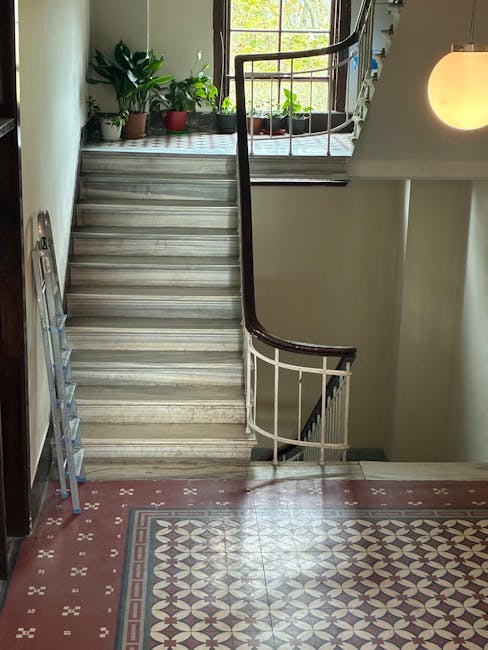
Moving from a flat into a family home sounds straightforward on paper. Bigger rooms, more space, a garden maybe, and finally room for the bikes, boxes, and that half-assembled cot that has been living in the corner. But a Tight-Stair Move in NW7: From Flat to Family Home can be one of those jobs that looks easy until you meet the staircase. Narrow turns, awkward landings, railings that seem designed by someone who dislikes sofas, and the general reality of trying to move normal household items through old London access. Let's face it, stairs can turn a simple move into a puzzle.
This guide breaks down how a tight-stair move works in practice, why it matters, how to plan it properly, and what usually trips people up. If you are moving within or around NW7, or from a compact flat into a family-sized property elsewhere, you will find practical guidance here without the fluff. There is a right way to do this, and it usually starts with measuring before lifting.
Why Tight-Stair Move in NW7: From Flat to Family Home Matters
In NW7, many homes and flats come with older layouts, split-level access, or stairwells that are simply not forgiving. A move that looks routine can become tricky fast if the sofa will not turn, the mattress catches on the banister, or the wardrobe needs to be angled like a piece of stage scenery. This is where planning matters more than muscle.
A tight-stair move matters because it changes everything else around it: timing, crew size, packing method, furniture dismantling, and even whether an item should be moved at all. One badly chosen move-in day decision can cause delays for the whole household. Not dramatic, just true. And if you are shifting from a flat into a family home, you are often moving more than just boxes. You are moving larger furniture, children's belongings, storage items, kitchen gear, and the everyday clutter that accumulates in flat life.
There is also a practical local angle. NW7 includes a mix of residential streets, blocks of flats, and family houses, so access can vary from one property to the next. A move into a family home may seem easier once you arrive, but the route out of the flat can be the difficult part. The stairs, the hallway width, the landing space, and parking access all shape the move. It is rarely just about distance.
Expert summary: the move is not difficult because of the postcode; it is difficult because of the access. When you understand that early, everything becomes more manageable.
How Tight-Stair Move in NW7: From Flat to Family Home Works
A tight-stair move is basically a logistics job with a lot of small decisions. Before anything is carried, the team needs a clear picture of the route: door widths, stair turns, ceiling height, hallway pinch points, parking distance, and whether larger pieces can be taken apart safely. In practice, that means the move starts with measuring, not lifting.
For many family-home moves, the process usually looks like this:
- Survey the access - check stairs, landings, lifts, parking, and any low ceilings or awkward bends.
- Identify difficult items - sofas, beds, wardrobes, fridges, mirrors, and anything heavy or fragile.
- Decide what should be dismantled - flat-pack furniture, bed frames, and some tables often move more easily in pieces.
- Protect the property - door frames, bannisters, floors, and walls may need covering to prevent scuffs.
- Plan the carry route - from flat to van, and then from van to the family home.
- Load in the right order - heavier items first, fragile items secured, essentials kept accessible.
That might sound simple. It rarely is. A wardrobe that looks manageable in the lounge can become awkward when it reaches a tight landing and has to rotate at exactly the wrong angle. The trick is to break the move into segments instead of treating it like one long carry.
Professional movers often use additional equipment such as shoulder straps, dollies, furniture blankets, and stair protection. These tools are not there for show. They reduce strain, improve control, and help prevent damage in the sort of narrow spaces where one wrong step can nick a wall or chip a frame.
If the move involves packing as well, many households also choose packing and unpacking services to save time and keep fragile items organised from the start. That can be especially useful if you are trying to keep children's routines steady while everything else is being boxed up around them.
Key Benefits and Practical Advantages
There are a few clear reasons people choose a planned approach for a tight-stair move rather than trying to wing it on the day. And to be fair, winging it with a staircase is not a strategy; it is a gamble.
- Less risk of damage - both to furniture and to the property itself.
- Better use of time - fewer delays caused by items that do not fit the first way you try them.
- Reduced physical strain - especially important for heavy or awkward furniture.
- Cleaner move-in experience - fewer scuffs, fewer dings, less chaos in the hallway.
- More predictable scheduling - useful when keys, parking, and school runs all need to line up.
- Less stress for the household - which matters more than people admit, especially on moving day at 4pm when everyone is hungry and the kettle has vanished into a box.
There is also a planning advantage. Once you know what can and cannot be moved intact, you can decide what to sell, store, donate, or dismantle. That can actually make the family home feel more intentional from day one, rather than cluttered from the first afternoon.
For anyone comparing move types, a home move service is usually the most relevant option when the destination is a family house rather than a workplace or one-off delivery. It tends to fit the practical reality of a household relocation: furniture, boxes, appliances, and the emotional weight of moving an entire life in stages.
Who This Is For and When It Makes Sense
This kind of move is a strong fit if you are in one of these situations:
- you live in a flat with narrow internal stairs or a difficult staircase layout;
- you are moving into a larger family house with more furniture and belongings than before;
- you have bulky items like beds, wardrobes, a cot, a sofa, or a dining table;
- you need to manage the move around school hours, work shifts, or childcare;
- you want to reduce the chance of damage in shared hallways or tight entrances;
- you have a limited window for keys, parking, or building access.
It also makes sense if you are not sure whether everything will fit through the staircase. That uncertainty alone is reason enough to plan properly. The worst move is the one where nobody checked the dimensions until the wardrobe was halfway up the stairs. Happens more often than people care to admit.
If you are moving a smaller set of items or only need transport support, a man and van service may be more suitable. If the move is larger, more complex, or involves many rooms of furniture, a fuller house-removal setup is usually the smarter route. Choosing the right scale matters because it affects how safely and efficiently the staircase can be handled.
Truth be told, many people only realise they need this kind of move support after they have tried to carry one item themselves and heard that little scrape against the banister. One sound. Enough said.
Step-by-Step Guidance
If you want the move to go smoothly, do not start on removal day. Start before that, with a simple process that trims the risk down early.
1. Measure the awkward parts
Measure door widths, stair turns, ceiling height at the tightest point, and the size of your largest furniture. If possible, measure the item at its widest point, not just its main body. Handles, feet, and mattress depth can make a difference. Small detail, big impact.
2. List the items that may need dismantling
Beds, wardrobes, shelving units, desks, and some sofas often move better in pieces. If an item has a simple assembly structure, dismantling can save time and reduce the chance of damage. Keep screws and fixings in labelled bags. It sounds obvious. Somehow, though, screws love to disappear.
3. Clear the route
Both the flat and the new family home should have a clear route from room to door. Remove loose rugs, plant pots, baskets, toys, and anything else that could catch a foot or wheel. A clean path makes a huge difference when people are carrying large objects and cannot see their feet properly.
4. Protect vulnerable surfaces
Use blankets, floor coverings, and corner protection where needed. Hallway walls and bannisters are often the first casualties of a rushed move. If the route includes shared areas, be especially careful. Nobody wants to be the person explaining a fresh dent to a neighbour on a Tuesday evening.
5. Load in a sensible sequence
Heavier items usually go in first, followed by stable boxes and then fragile pieces secured carefully around them. Essentials such as kettle, chargers, kids' basics, toilet rolls, and a change of clothes should stay accessible. That one box you need first should not be buried under winter coats and a toaster from 2017.
6. Keep one person in charge of the route
On tight stairs, coordination matters. One person should be calling moves, checking angles, and deciding when to pause. Too many voices can create confusion. A clear "stop, rotate, now" style instruction is often safer than everyone speaking at once. Sounds obvious, but in the moment people get flustered.
7. Allow time for the unexpected
Even a well-planned move can hit a surprise: a wardrobe that will not clear the landing, a parking issue, or a delay getting keys. Build a bit of slack into the day. You will notice that the whole move feels less pressured when not every minute is already spoken for.
Expert Tips for Better Results
Here is where a bit of lived-in experience helps. The following tips are the sort that save time without making the move feel over-engineered.
- Take photos of tricky items before dismantling them. A quick phone photo can save a lot of guesswork later.
- Mark box contents by room and priority. "Kitchen - first night" is more useful than a vague label like "misc".
- Keep valuables separate. Passports, keys, medication, and documents should travel with you, not with the bulk load.
- Wrap delicate furniture edges. Corners are usually what get knocked first.
- Use the right lift technique. Bending at the knees, not the back, really does matter. Annoyingly sensible, but true.
- Check parking well in advance. In London, access can be the difference between a tidy move and a long walk with boxes.
If your move includes items that are heavy, unusually shaped, or particularly fragile, it can be worth asking whether the move provider has suitable equipment and experience. For example, if you are dealing with a family piano, that is a different conversation entirely. A move like that should be treated with more planning than a standard sofa carry.
Another practical tip: keep the first room in the family home ready for use. A bed made up, a lamp plugged in, and the kettle reachable can make the first night feel much calmer. It is a small thing, but after a long moving day it feels huge.
Common Mistakes to Avoid
Most moving problems are not mysterious. They are usually just small misses that pile up.
- Not measuring the staircase properly - this is probably the biggest one.
- Leaving packing too late - rushed packing leads to broken items and poor box organisation.
- Assuming everything will fit as-is - not every wardrobe wants to leave in one piece.
- Ignoring parking and access restrictions - especially in busier NW7 streets.
- Forgetting the landing or turn radius - the bend is often the real problem, not the stairs themselves.
- Overloading boxes - heavy boxes make stair carries more difficult and more dangerous.
- Not protecting the property - one careless scrape can sour the whole day.
Another common mistake is underestimating how long it takes to move out of a flat with narrow stairs. People often think the family home stage is the main event. Sometimes it is the exit from the flat that creates the delay. The first floor never lies.
A softer mistake, but still a mistake, is trying to do everything yourself just because you can. Sure, you can move a bed frame on your own if you absolutely have to. Should you, though? That is a different question entirely.
Tools, Resources and Recommendations
For a tight-stair move, the right tools are less about glamour and more about control. The basics make a real difference.
- Furniture blankets for scratch and impact protection;
- Straps and lifting aids for safer handling of awkward items;
- Dollies or trolleys where the route allows them;
- Strong tape and labelled bags for keeping fixings together;
- Floor and door protection for hallways, thresholds, and corners;
- Sturdy boxes in mixed sizes so heavy items are not forced into oversized cartons;
- Basic toolkit for dismantling beds, tables, and shelving units.
For service planning, a good place to start is the company's pricing page if you want to understand how quotes are typically structured. You can review pricing and quotes before you decide how much support you need. That is often the simplest way to compare options without guessing.
If you are thinking about where items might go after the move, especially if you are decluttering before a family-home transition, this can also be a good moment to review recycling and sustainability. Clearing out responsibly before moving day can reduce the load and make unpacking far easier. Less stuff. Fewer boxes. More breathing room.
Law, Compliance, Standards, or Best Practice
For household moves in the UK, the main practical concerns are safety, access, liability, and reasonable care. You do not need to become a legal expert to move house, but you should know a few basics.
First, if you are using a professional removal company, check that they are clear about insurance and safety arrangements. Accidents are rare when people work carefully, but they can happen, especially on narrow stairs where one slip affects more than one item. A sensible provider should be transparent about how belongings are handled and what happens if damage occurs. You can look at insurance and safety information as part of your due diligence.
Second, if access involves shared hallways, common areas, or parking controls, best practice is to plan respectfully and in advance. That means keeping routes clear, avoiding damage to common areas, and giving neighbours reasonable notice where appropriate. In older buildings, stair access can be tight enough that courtesy matters just as much as technique.
Third, moving day work should follow sensible manual-handling practice. Heavy lifting, twisting on stairs, and carrying items that block vision all raise the chance of strain or drops. Good movers use technique, not brute force. That is especially important on a stairwell with limited room to pivot.
Finally, terms, booking conditions, and payment arrangements should be understood before the move. It is dull stuff, yes, but it saves arguments later. If you want to review the basics in advance, the company's terms and conditions and payment and security pages are useful reference points for the kind of expectations a customer should check.
Options, Methods, or Comparison Table
Not every tight-stair move needs the same approach. Here is a simple comparison that helps people decide what level of support is sensible.
| Option | Best for | Pros | Trade-offs |
|---|---|---|---|
| Self-managed move | Very small loads and simple access | Lower immediate cost, full control | Higher physical strain, more time, greater risk on tight stairs |
| Man and van | Smaller or medium moves with limited items | Flexible, often quicker to arrange, useful for local routes | May not suit larger household furniture or complex access without extra planning |
| Full home removals | Family-home moves with multiple rooms and heavier furniture | Better coordination, more hands, stronger planning support | Usually more expensive than basic transport-only help |
| Hire truck only | Experienced movers with their own labour | Useful if you already have the team | Does not solve the lifting problem on tight stairs |
In most real-world NW7 moves, the right choice is the one that matches the staircase, not just the number of boxes. If access is tight and the household is moving into a full family setup, more support is usually worth it.
Case Study or Real-World Example
Imagine a couple moving from a top-floor flat in NW7 into a three-bedroom family home nearby. Their flat has a narrow staircase with a hard right turn at the landing. The main items are a double bed, a wardrobe, a sofa, a dining table, children's storage boxes, and a large TV unit.
At first glance, the move sounds manageable. But once the wardrobe is measured, it becomes clear it will not safely turn the corner intact. The solution is simple but effective: dismantle the wardrobe, protect the landing, label the fixings, and move the sections separately. The sofa is wrapped, the bed frame is broken down, and the boxes are sorted so that children's essentials come off the van first at the new house.
What changed the outcome? Not luck. Planning.
The move runs more smoothly because the team knows the route, the family knows what to expect, and the awkward items are handled before they become a problem. By the time the first boxes reach the family home, the process feels orderly instead of chaotic. There is still dust on the stairs and a mild sense of exhaustion, of course. That bit is normal. But the stress level stays lower because the hard part was already thought through.
That is the real lesson here: a tight-stair move is much easier when the staircase is treated as part of the plan, not as an afterthought.
Practical Checklist
Use this checklist a few days before moving day. It is not fancy, but it works.
- Measure the staircase, landing, doorways, and any narrow turns.
- Check the biggest furniture pieces and note anything that may need dismantling.
- Confirm parking and access arrangements for both properties.
- Pack and label boxes by room and priority.
- Set aside essentials for the first night in the family home.
- Protect floors, banisters, and door frames where needed.
- Keep documents, valuables, and medication with you.
- Use proper lifting technique and avoid rushing on stairs.
- Allow extra time for loading and unloading.
- Review insurance, booking terms, and payment details in advance.
Quick takeaway: if a move feels tight before it begins, it will not magically get easier halfway up the stairs. A little prep saves a lot of trouble.
If you are planning a NW7 move and want the process handled with less stress, it is worth comparing service levels, checking the access details early, and deciding what needs dismantling before moving day arrives.
Get a free quote today and see how much you can save.
Conclusion
A Tight-Stair Move in NW7: From Flat to Family Home is one of those jobs that rewards preparation more than optimism. The staircase sets the pace, the furniture sets the challenge, and the family's needs set the priorities. Once you treat access as the main issue, the move becomes far more predictable.
The best results usually come from a simple mix: measure carefully, pack smart, protect the property, and choose the right level of moving support for the actual staircase in front of you. Nothing flashy. Just sound planning and a bit of patience. Honestly, that is what saves the day more often than people expect.
And when you finally shut the front door of the new family home, hear the kettle click on, and see the first room taking shape, the whole thing starts to feel worth it. Not because the move was easy, but because it was handled well.
Frequently Asked Questions
What is a tight-stair move in NW7?
It is a move where stair access is narrow, awkward, or difficult enough that furniture and boxes need extra planning, protection, or dismantling to get out safely. In NW7, this often applies to older flats and some split-level properties.
Is it better to dismantle furniture before a tight-stair move?
Often, yes. Beds, wardrobes, and similar items frequently move more safely in sections. Dismantling can reduce the risk of damage and make the carry far easier on narrow stairs. Not everything needs to come apart, but the big pieces usually deserve a proper look.
How do I know if my sofa will fit down the stairs?
Measure the sofa at its widest point and compare that to the stair width, landing, and turns. Also consider the angle needed to rotate it. If you are unsure, take photos and measurements before moving day rather than guessing. Guessing and staircases do not mix well.
Should I use a man and van or a full removals service?
If the move is small and the access is manageable, a man and van may be enough. If you are moving a whole household into a family home with larger furniture and a tricky staircase, a fuller removals service is usually the safer choice.
How can I reduce damage in a narrow stairwell?
Protect walls, bannisters, floors, and corners with blankets or coverings. Use proper lifting methods, keep the route clear, and have one person directing the move. That combination reduces bumps, scrapes, and a lot of unnecessary stress.
What should I pack first for a family-home move?
Pack room-by-room, starting with items you do not use daily. Keep essentials such as chargers, medication, toiletries, and a first-night box separate. Children's items, kettle supplies, and bedding are worth keeping easy to find. Trust me, you will want that kettle.
Do I need to worry about parking in NW7?
Yes, parking and access matter a lot. Even a well-planned move can slow down if the van cannot park close enough to the property. It is sensible to check restrictions, loading space, and any likely bottlenecks before the day arrives.
What if an item will not fit through the staircase?
If it cannot be moved safely as-is, the usual options are dismantling, using an alternative route if available, or deciding not to move it at all. For very large or delicate items, professional assessment is the best next step.
How early should I plan a tight-stair move?
Ideally, start planning as soon as the move is confirmed. Even a few days of preparation helps, but earlier is better for measuring, packing, booking, and sorting out access. The more awkward the staircase, the more useful early planning becomes.
Can I move heavy furniture up or down tight stairs myself?
In some cases, yes, but only if the item is manageable, the route is safe, and you have enough help. If the furniture is bulky, awkward, or too heavy to see over safely, it is better to get support. There is no prize for doing the hard bit the hardest way.
What should I ask a moving company before booking?
Ask about access planning, insurance, handling of fragile or bulky items, packing help, timing, and what happens if furniture needs dismantling. It is also sensible to understand the terms of service and payment expectations before you confirm anything.
What is the biggest mistake people make on stair-heavy moves?
The biggest mistake is assuming the staircase will be fine until the day of the move. Once an item is too big for the route, you lose flexibility. Measuring early is the single simplest way to avoid that headache.