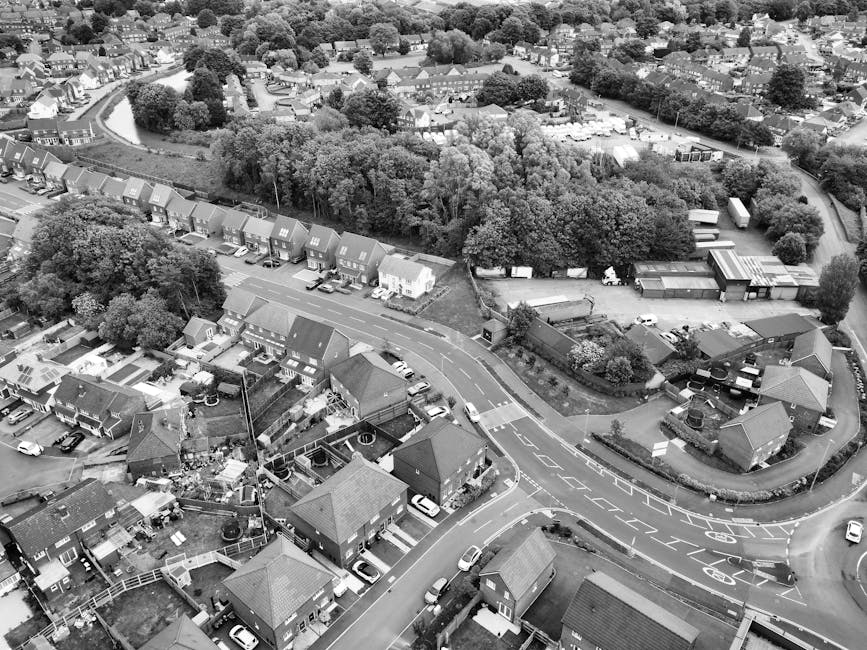
Watling Avenue Mill Hill removals access and parking tips
If you are moving on or near Watling Avenue in Mill Hill, parking and access can make the difference between a calm moving day and a very expensive headache. A van that cannot stop where it should, a shared driveway blocked at the wrong moment, or a tight stairwell nobody mentioned in advance can slow everything down. Truth be told, the move itself is often the easy part; the trick is making sure the property, street layout, and parking plan all work together.
This guide on Watling Avenue Mill Hill removals access and parking tips explains what to check before moving day, how to plan loading and unloading, and how to avoid the little oversights that turn into big delays. It is written for homeowners, tenants, landlords, and businesses who want a smoother, more predictable move in a busy part of North London. You will also find practical checklists, a comparison table, and a realistic example so you can plan with a bit more confidence.
Table of Contents
- Why this matters on Watling Avenue
- How access and parking planning works
- Key benefits and practical advantages
- Who this is for and when it makes sense
- Step-by-step guidance
- Expert tips for better results
- Common mistakes to avoid
- Tools, resources and recommendations
- Law, compliance, standards and best practice
- Options, methods and comparison table
- Case study or real-world example
- Practical checklist
- Conclusion
- Frequently asked questions
Why Watling Avenue Mill Hill removals access and parking tips Matters
Watling Avenue sits in a part of Mill Hill where traffic patterns, property layouts, and parking availability can all change the tone of a move. Some addresses have straightforward frontage and enough space for a medium van. Others are tucked behind shared entrances, near busier stretches, or served by narrow roads where loading needs careful timing. Even when the move is only a short hop, access still matters.
Why? Because removal work is all about flow. If the crew has to park too far away, carry items across a long distance, or wait for a space to open up, the job becomes slower and more physically demanding. That can affect the cost, the timetable, and even the condition of your furniture. A sofa being wheeled a few extra metres in the rain is not ideal, let's face it.
Good access planning also reduces friction with neighbours and passers-by. Nobody enjoys a van idling in the wrong place, a blocked driveway, or a lift constantly wedged open while boxes are rushed in and out. On a practical level, the better your access plan, the more likely your move will feel organised rather than improvised.
For larger home moves and office moves, the difference is even more pronounced. If you are using a service such as home moves or office relocation services, a good parking plan helps the team work efficiently and keeps disruption down.
How Watling Avenue Mill Hill removals access and parking tips Works
In simple terms, access planning means matching the removal vehicle to the property and the street. That sounds basic, but it covers a lot of ground: where the van can legally stop, how long loading will take, whether the crew needs a second pair of hands, whether there is a lift, how far the front door is from the vehicle, and whether any obstacles need to be managed in advance.
Most move planning starts with a quick practical review:
- Street conditions: Is the road narrow, busy, or likely to have limited stopping space?
- Property access: Is there a front drive, rear access, a shared pathway, or steps at the entrance?
- Vehicle size: Does the move suit a smaller van, a larger removal vehicle, or a dedicated truck?
- Loading distance: How far will items need to be carried?
- Timing: Is there a time of day when parking is easier and traffic is lighter?
That last point matters more than people think. A move scheduled for an awkward school-run window or a busy commuter period can feel twice as hard. A little flexibility can save a surprising amount of stress.
If you are unsure which transport size makes sense, it can help to compare options like a man and van, a man with van, or a larger vehicle from the moving truck side of the service range. In some cases, removal truck hire is the better fit if you have a lot to move and parking needs to be planned tightly.
Key Benefits and Practical Advantages
Planning access properly is not just about avoiding trouble. It creates a better-moving-day experience from start to finish.
- Less waiting time: The team can start loading or unloading sooner.
- Lower physical strain: Shorter carry distances reduce fatigue and handling risk.
- Better protection for items: Fewer awkward lifts means fewer knocks, scratches, and near-misses.
- Cleaner scheduling: Timelines are more reliable when parking has been thought through.
- Less disruption to neighbours: A tidy, brief stop is easier for everyone nearby.
- More accurate quoting: If the access is clear from the start, pricing and time estimates tend to be more realistic.
There is also a quieter benefit that people often overlook: confidence. Once the parking and loading plan is sorted, the move feels less mysterious. You know where the van will go, where boxes will come out, and who is responsible for what. That alone can take the edge off moving day.
Expert summary: The best removals on Watling Avenue are rarely the ones with the fanciest vehicle. They are the ones where parking, access, timing, and loading order are all thought through before the first box is lifted.
Who This Is For and When It Makes Sense
This advice is useful for almost anyone moving in Mill Hill, but it is especially relevant in a few situations.
Home movers
If you are moving from a flat, maisonette, terraced house, or a property with restricted frontage, access can quickly become the main issue. A small entrance hall, stairs with a turn, or a shared parking bay can all affect how the move runs. For many domestic jobs, house removalists are a better match when there are larger items, awkward corners, or more than a few rooms to clear.
Tenants and landlords
End-of-tenancy moves often need to happen fast, with keys returned and no lingering mess. Good parking planning helps avoid rushed handovers. If furniture or leftover items need to be removed separately, a furniture pick-up may be the cleaner solution for the last stage.
Businesses and office teams
Office moves can be particularly sensitive because lifts, shared entrances, and public footfall all complicate the picture. If a van blocks a delivery bay or interrupts building access, the whole schedule can wobble. That is where careful planning and a calm approach really pay off.
People using a smaller removal service
If you only have a modest load, using a leaner service can be efficient, but even then access still matters. A man-with-van style arrangement can be excellent for smaller jobs, yet it still needs sensible parking and a clear loading point. Smaller does not mean simpler, not always.
Step-by-Step Guidance
Here is a practical way to plan removals access and parking on Watling Avenue without overcomplicating it.
- Walk the route from door to vehicle. Check the front entrance, any steps, narrow paths, gates, or uneven paving. If you cannot roll a trolley smoothly, the team will need to carry items by hand.
- Look at the road at the time you plan to move. A street can feel very different at 8 a.m. compared with mid-afternoon. Parked cars, school traffic, and delivery vans all change the picture.
- Measure the biggest items. Sofas, wardrobes, mattresses, desks, and appliances should be measured before moving day. If an item is a tight squeeze, that affects how close the vehicle needs to park and whether doors may need removing.
- Decide what vehicle size suits the load. A compact move may be ideal for a man and van, while larger family moves may be better with a broader vehicle plan.
- Check for parking restrictions or local constraints. Even without getting technical, you should know whether the stop point is likely to be short-term only, shared, or subject to time limits.
- Communicate access details clearly. Tell the removal team about stairs, lifts, narrow roads, gates, basement access, or long internal walks. The more specific you are, the smoother the day tends to be.
- Prepare the loading point. Keep hallways clear, protect floors if needed, and move personal clutter out of the way. You want a clean line from the property to the vehicle.
- Have a backup plan. If the nearest space is occupied on arrival, where can the vehicle stop instead? A small backup plan is worth its weight in cardboard.
If the move is more complex, packing support can help reduce the number of separate trips. Consider packing and unpacking services when you want a more orderly handover and less last-minute chaos.
Expert Tips for Better Results
These are the details that often make the biggest difference, and they are easy to miss if you only think about the move from inside the property.
1. Aim for the shortest safe carry distance
The closer the vehicle can stop to the door, the better. But "as close as possible" should never mean unsafe or illegal. A slightly longer walk on a clear path is better than a risky stop that forces people into traffic or awkward manoeuvres.
2. Use one person to manage the door and route
On moving day, one person should keep an eye on the entrance, direct boxes, and spot any snags. It sounds obvious, but people often forget it. Everyone gets busy carrying. Then someone's in the way, the door's open too long, and the room feels like a busy station platform.
3. Protect the property before the van arrives
If you know the route includes tight corners or hard floors, use protection where sensible. This is especially helpful with heavier furniture or equipment being moved in and out multiple times.
4. Move high-value or fragile items first
If the parking situation is unstable or you expect interruptions, get the delicate items out early while the access is easiest. That way the important stuff is already safe if the road becomes awkward later.
5. Keep the vehicle load plan simple
A well-packed van is easier to unload when space is tight. Heavy items should be secured, and fragile items should not be buried behind loose bits and pieces. A little discipline here saves a lot of fumbling later.
And yes, sometimes the "simple" plan is the smartest one. Moving day is not the time for creative experiments.
Common Mistakes to Avoid
Most access problems are preventable. The issues below are the ones that tend to catch people out again and again.
- Assuming the van can park right outside: That may happen, but do not build your whole plan around it.
- Forgetting to mention steps or narrow hallways: Small details like this change the entire moving rhythm.
- Booking the wrong vehicle size: Too small and you need extra trips; too large and you may create parking stress.
- Not checking the busiest time of day: The road may be fine in the morning and frustrating by lunchtime.
- Leaving loose items in corridors: A cluttered route slows the crew and increases the chance of damage.
- Failing to prepare neighbours or building managers: A quick heads-up can prevent avoidable friction.
- Underestimating lift access: If the lift is slow, small, or shared, your schedule needs to reflect that reality.
A common one, and it happens more often than people admit, is giving access details only after the van has arrived. That is the stressful version. Better to say it early, even if you think it sounds minor.
Tools, Resources and Recommendations
You do not need a big toolkit to plan removals access well, but a few simple things help.
- A tape measure: For doors, hallways, furniture, and vehicle clearance.
- Basic notes on your phone: Record parking restrictions, gate codes, lift dimensions, and any time windows.
- Floor protection: Useful for tight entrances, polished floors, or damp weather.
- Labels and markers: The easier it is to identify boxes, the faster the unloading.
- Optional packing support: Especially helpful for busy households or offices that want to reduce last-minute pressure.
If you are comparing service levels, it can help to look at the broader support available through home moves, commercial moves, and office relocation services. Each one brings a slightly different planning style, which matters if access is tight.
If you are still weighing transport options, moving truck and removal truck hire are worth considering for larger or more complex loads where a single trip and a proper load plan reduce stress.
Law, Compliance, Standards, or Best Practice
For most residential moves, the main compliance concern is practical rather than legal: parking safely, loading responsibly, and avoiding obstruction. Where street restrictions apply, you should respect them. Where a property has shared access, you should be considerate to neighbours and building users. That is just good practice, and in many settings it is essential.
Some areas may have local parking controls, time-limited bays, or restricted stopping points. Because these can vary, it is sensible to treat access as something to verify rather than assume. The same is true for flats, managed buildings, and mixed-use properties. Building rules can be just as important as the road outside.
From an industry point of view, good practice usually includes:
- clear pre-move communication about access conditions
- safe lifting and carrying methods
- careful vehicle positioning
- respect for pedestrian routes and neighbours
- secure loading so items do not shift in transit
It also helps to choose a company that is open about operational standards. Useful trust markers include transparent pricing, insurance awareness, and sensible policies around safety and security. If you want to understand the broader approach, the pages on insurance and safety, health and safety policy, payment and security, and terms and conditions can help set expectations before you commit.
One small but important point: best practice is not about perfection. It is about reducing avoidable risk. That's the whole game, really.
Options, Methods, or Comparison Table
If you are deciding how to handle a move on Watling Avenue, the main question is usually not "Can it be done?" but "Which method makes the access easiest?" This comparison should help.
| Option | Best for | Access advantage | Watch out for |
|---|---|---|---|
| Man and van | Small to medium loads, lighter household moves | Flexible and often easier to position on tighter streets | May need more careful load planning if you have bulky items |
| Man with van | Single-room moves, furniture pick-ups, smaller relocations | Quick setup, useful where parking is limited | Not ideal for larger family moves or heavy volumes |
| Moving truck | Larger homes, multi-room moves, substantial furniture | Better capacity, fewer trips, clearer loading structure | Needs more space and more thoughtful parking planning |
| Removal truck hire | Complex or high-volume moves with a proper load strategy | Strong for structured, efficient loading | May require the most careful access preparation |
To be fair, there is no universally "best" option. If the road is awkward but the move is small, a nimble setup may be ideal. If you are clearing a full house, a larger vehicle can be the smarter route even if parking takes more planning. The right answer depends on the property, the street, and how much you actually have to move.
Case Study or Real-World Example
Here is a realistic example. A couple moving from a first-floor flat near Watling Avenue had a fairly normal amount to shift: a bed, a sofa, boxes of books, kitchen items, and a couple of awkward storage units. At first, they assumed the van could park close to the entrance. On visiting the property, though, it became obvious that the best stopping point would be a little further along the road because of other parked cars and the width of the access point.
Because they had checked the route beforehand, the team adjusted the load order. The heaviest items went in first, the boxes were grouped by room, and the fragile pieces were handled early while the entrance was clear. Nothing dramatic happened. No heroic moment, no chaos. Just a tidy move that felt steady from start to finish.
There was one small hiccup: a delivery vehicle briefly occupied part of the ideal loading space. But because a backup stop had already been considered, the move carried on with only a short pause. That is the real value of planning access. Not magic. Just fewer surprises.
In another local-style scenario, a small office close to the area needed to relocate desks and archive boxes with limited lift use. The team used a practical loading sequence, kept the corridor clear, and timed the vehicle arrival to avoid a busy entry period. Again, not glamorous. But efficient, and that is what most people actually want.
Practical Checklist
Use this checklist the day before your move. It is simple, but it catches the usual slip-ups.
- Confirm the exact address and access point
- Check whether the vehicle can stop legally and safely nearby
- Note any steps, tight hallways, shared entrances, or lifts
- Measure large furniture and awkward items
- Decide whether a smaller van or a larger vehicle is more suitable
- Clear hallways, doorways, and the route to the loading point
- Prepare labels for boxes and priority items
- Tell the removal team about parking restrictions or building rules
- Arrange a backup parking plan if the main spot is unavailable
- Keep a phone charged for last-minute coordination
- Protect floors or thresholds where needed
- Set aside essential items you will need immediately after arrival
Quick reminder: if the move involves several rooms, a tight street, or furniture that barely fits through the door, do not leave the access check until the morning of the move. That is where people get caught.
Get a free quote today and see how much you can save.
Conclusion
Watling Avenue Mill Hill removals access and parking tips are really about one thing: making the move easier before the first box is lifted. When you think through the street, the access route, the van size, and the loading point in advance, you reduce delays, protect your belongings, and make the day feel far less chaotic.
The best moves are usually the well-prepared ones. Not perfect, just prepared. A clear route, a realistic parking plan, and a sensible vehicle choice can save time and spare you a fair bit of stress. And on moving day, that matters more than people think.
If you are planning a local move in Mill Hill, take the time to map out access properly, ask questions early, and choose a service level that suits the property. A calm move is possible. Honestly, it often starts with parking.
Frequently Asked Questions
Can a removal van park right outside a Watling Avenue property?
Sometimes, yes, but you should never assume it. Parking space depends on the time of day, nearby traffic, other parked cars, and any local restrictions. It is better to plan for a nearby stop and a short carry than to rely on the perfect space being free.
What is the best vehicle size for moving on Watling Avenue?
That depends on how much you are moving and how tight the access is. Smaller jobs often suit a man and van or man with van setup, while full house moves usually need a larger removal vehicle. If in doubt, match the vehicle to both the load and the road.
Do I need to tell the removals team about stairs and lifts?
Yes, absolutely. Stairs, lifts, narrow hallways, and shared entrances all affect timing and handling. Even a short staircase can change the whole loading plan, so it is best to mention it early.
How far in advance should I check parking for my move?
Ideally, check it a few days before moving day and again at the time you expect the vehicle to arrive. A street can look very different in the morning than it does later on, especially in busier parts of London.
What if my ideal parking spot is occupied when the van arrives?
Have a backup stop in mind. A good plan usually includes a second-best position that is still safe, legal, and workable. That way the move can begin with only a short delay rather than a full reset.
Is a larger removal truck always better?
No. A larger vehicle can be more efficient for bigger loads, but if the street is tight or access is limited, a smaller or more flexible setup may be easier to manage. The best option is the one that balances load size with parking reality.
Should I reserve parking for moving day?
That depends on the local setting and what is allowed. In many cases, simply planning a legal and practical loading position is enough. Where parking is limited, it may be worth speaking with the relevant property management or building contact in advance.
What should I clear before the movers arrive?
Clear hallways, doorways, stairs, and the route to the loading point. Remove loose rugs, clutter, and anything likely to trip people up. It sounds simple, but it speeds everything up more than most people expect.
Can packing services help with access and parking problems?
Yes, indirectly. If items are packed and grouped properly, loading becomes faster and the team can work more efficiently. That matters when parking is tight because every minute at the kerbside counts.
What is the biggest mistake people make with local removals?
The biggest mistake is underestimating access. People often focus on the packing and forget the road, the entrance, and the loading route. Then moving day arrives and everyone is improvising. A bit of planning avoids that whole scramble.
Where can I find more information about service standards and policies?
Useful background pages include about us, insurance and safety, health and safety policy, payment and security, and recycling and sustainability. They can help you understand how a move is handled behind the scenes.
What should I ask for when getting a removals quote?
Ask whether access, parking distance, stairs, and vehicle size are included in the estimate. A useful quote should reflect the real conditions of the property rather than treating every move as the same. The more honest the details, the more useful the quote tends to be.